Table of Contents
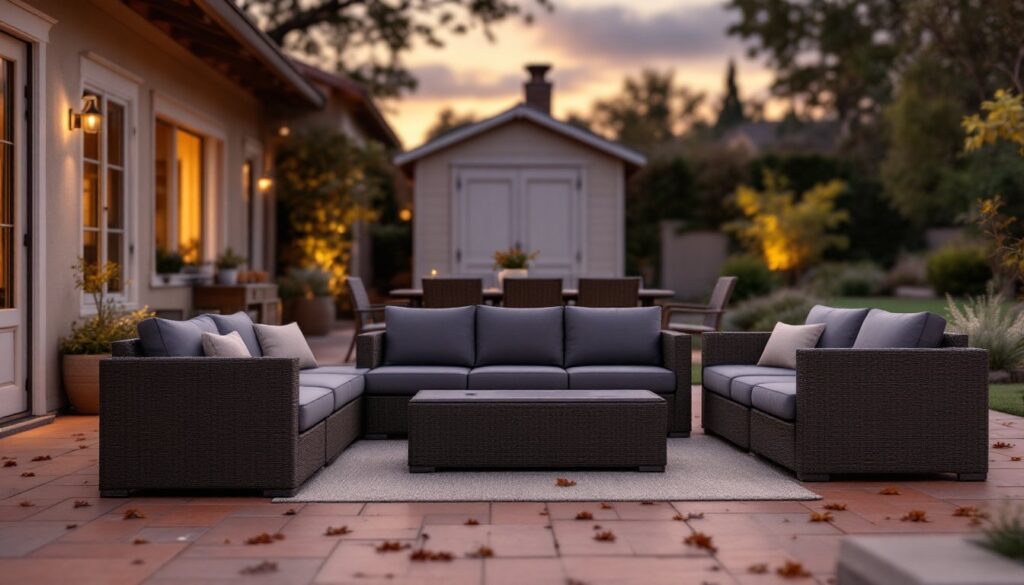
TogglePatio furniture faces brutal conditions year-round: intense UV rays, rain, snow, humidity, and temperature swings that break down finishes and degrade materials fast. A quality patio furniture cover is one of the smartest investments a homeowner can make, it extends the life of chairs, tables, loungers, and grills by years, protecting wood from rot, metal from rust, and upholstery from fading. Whether you’re dealing with a small bistro set or a full <a href="https://www.gardenista.com/shop/category/outdoor-furniture-covers/” target=”_blank” rel=”noopener nofollow”>outdoor dining suite, the right cover keeps your investment safe without requiring constant babysitting. This guide walks through selecting, measuring, and maintaining covers so your furniture stays protected.
Key Takeaways
- A quality patio furniture cover extends furniture lifespan to 10+ years by blocking UV rays, rain, and moisture that cause rust, rot, fading, and mold.
- Custom fitted covers provide superior protection and durability compared to universal covers, though they cost $80–$300+ versus $20–$80 for standard options.
- Accurate measurement is essential—round up slightly and account for leg clearance (at least 2 inches) to ensure proper fit and water drainage.
- Acrylic and vinyl-coated polyester materials offer the longest durability (4–10 years), while breathable fabric prevents moisture condensation that damages furniture underneath.
- Regular maintenance—including seasonal cleaning, proper ventilation, dry storage, and seam inspection—is crucial to keep your patio furniture cover performing at peak effectiveness.
- Incorporating vents, spacer blocks, or partially loosening ties even in winter allows air circulation underneath the cover and prevents water pooling that undermines protection.
Why Patio Furniture Covers Matter
Outdoor furniture sits exposed to elements that would destroy indoor pieces in months. UV rays fade paint and stain, turning vibrant reds and greens into dull grays within a year or two. Rain soaks into wood, causing swelling, warping, and eventual rot, especially at joints and underneath surfaces where water pools. Metal rusts, vinyl cracks, and cushions develop mold and mildew if moisture isn’t managed.
A cover acts as a simple barrier. By blocking direct water exposure and reducing UV intensity, it slows these degradation processes dramatically. Homeowners who use covers report furniture lasting 10+ years in good condition versus 5 years or less without protection. Metal chairs stay smooth instead of developing rough corrosion spots. Wood retains its color and doesn’t check (develop surface cracks). Cushions stay mildew-free and don’t fade into bleached-out versions of themselves.
Beyond material preservation, covers reduce cleaning labor. Dust, leaves, bird droppings, and pollen settle onto uncovered furniture constantly. A covered piece stays relatively clean underneath, meaning less scrubbing and staining work when you finally remove the cover for use. This practical benefit alone makes covers worth the investment, especially in regions with heavy pollen or tree coverage.
Types Of Patio Furniture Covers
Custom Fitted Covers
Custom fitted covers are manufactured to match specific furniture pieces or sets. They drape snugly, with cutouts for armrests, legs, and edges shaped to the exact silhouette of a chair, chaise lounge, or sectional. Most come with elastic hems or ties that cinch underneath to prevent wind from lifting the cover.
The advantage is obvious: a fitted cover stays in place and looks neat. Gaps are minimal, so wind-driven rain has fewer entry points. Custom covers typically cost more, $80 to $300+ depending on size and material, but they offer maximum protection and durability. If you have high-end furniture or live in a harsh climate, the investment pays off. Many manufacturers produce covers for popular furniture lines (e.g., specific Pottery Barn or restoration hardware models), so you can often find exact fits without custom ordering.
Universal Covers
Universal covers are cut to standard dimensions, like 60″ × 60″ or 80″ × 40″, and fit a range of furniture sizes and shapes with varying degrees of success. They’re cheaper ($20 to $80) and readily available at big-box stores and online retailers. Universal covers work well for basic rectangular dining tables or simple sectional corners, but they’re less ideal for odd-shaped pieces.
The downside is loose fit. A universal cover draped over an L-shaped sectional will bunch and shift in wind, leaving exposed areas vulnerable to water. For occasional or seasonal use (covering furniture when you’re away for a month, for example), universal covers are adequate. For year-round protection of premium pieces, custom fitted covers earn their cost differential by staying in place and lasting longer without seams pulling or corners tearing from flapping.
How To Measure And Select The Right Size
Accurate measurement is the difference between a cover that fits and one that sags, shifts, or leaves corners exposed. Start with the piece sitting in its normal position, don’t fold arms down or collapse sections, as the cover must fit the furniture as used.
For chairs, measure width (arm to arm), depth (front to back, including legs), and height (ground to top of backrest). Round up slightly: a 32″ × 28″ chair works with a 36″ × 36″ universal cover or a custom 33″ × 30″ fit that allows small overlap. For tables, measure length and width of the tabletop, then add 4 to 6 inches to the total, this accounts for leg space underneath and allows the cover to hang slightly below the table edge for water drainage. A 60″ × 40″ table typically needs a 66″ × 48″ cover.
For sectionals and multi-piece sets, measure each section separately, or purchase individual covers rather than trying to fit one universal cover over multiple pieces. Some homeowners use Outdoor Furniture Tables: A Complete Guide or similar resources to verify standard dimensions before ordering. Don’t just guess, a cover that’s too small won’t close, leaving gaps: too large will bunch and create wind pockets. If the furniture has legs or a pedestal base, confirm clearance height: your cover must drape without resting on the ground, which traps moisture. Allow at least 2 inches of clearance below the lowest point.
Best Materials For Durability And Weather Protection
Cover material determines how long it lasts and how well it performs. The market offers several common options, each with trade-offs.
Polyester fabric (often labeled as solution-dyed polyester) is affordable and breathable, costing $25 to $100 for a typical cover. It resists mold better than basic vinyl because air circulates underneath. UV stabilizers woven into the fabric slow fading. Polyester covers typically last 2 to 4 years in harsh climates before cracking or thinning. They’re ideal for seasonal covers or budget-conscious buyers.
PVC or vinyl-coated polyester offers heavier protection, running $60 to $200+. The vinyl layer blocks water almost completely, making it excellent in high-rain regions. Downside: vinyl doesn’t breathe as well, so moisture can condense underneath if airflow is poor. These covers last 4 to 7 years if properly ventilated. Many quality covers pair vinyl on top (water-resistant) with breathable polyester underneath to balance protection and moisture release.
Acrylic or premium solution-dyed acrylic fabric ($150 to $400) is the heaviest-duty option. It resists mildew naturally without chemical treatments, handles extreme UV without significant fading, and breathes better than vinyl. Acrylic covers can last 7 to 10 years in good conditions. They’re ideal for premium furniture or climates combining intense sun and humidity.
When shopping, look for a denier rating (a measure of thread thickness: higher is more durable). Covers between 600 and 1200 denier offer good balance between weight and packability. Check for UV-stabilized stitching (often reinforced with thread guards at stress points), sealed seams (or at least serged edges that prevent fraying), and vents or grommets that allow air circulation. These features determine whether a cover lasts 2 years or 8.
Maintenance Tips For Long-Lasting Covers
A cover requires its own maintenance to do its job. Neglect it, and you’re essentially protecting furniture with a deteriorating tarp.
Cleaning is straightforward. Once or twice a year, ideally at season change, brush off loose debris with a soft brush, then hose it down with cool water. For stubborn algae, mildew, or bird droppings, use a 1:1 mix of white vinegar and water, spray it on, let it sit 15 minutes, and rinse. Avoid pressure washers, which can force water into seams and damage the fabric. Most manufacturers recommend air-drying the cover completely before storing or replacing it: storing a damp cover invites mold.
Ventilation is critical year-round. If possible, use covers with vents or partially loosen ties on mild days to let air circulate underneath. Even in winter, moisture accumulates under tight covers, water from rain or frost melt can pool. A spacer block or tent-like structure (a small prop under the cover center) creates an air pocket that prevents puddling.
Storage extends cover life. When storing for the off-season, ensure the cover is clean and completely dry. Roll it loosely (don’t compress tightly for years at a time) and store in a cool, dry place away from direct sun. A garden shed or garage is ideal: sunlight degrades even stored fabric over time. Never fold and leave a cover compressed in the same creases repeatedly, rotate the fold lines if you store it long-term.
Inspection catches problems early. Before each season, check seams for small splits, zippers for corrosion, and ties or straps for tears. Early repairs (a seam sealant kit costs $5 to $15) prevent small issues from becoming hole-in-the-cover disasters. Many quality covers come with repair patches and guidance, read the warranty details when you buy. Some manufacturers offer replacements if seams fail within 2 to 3 years, and understanding what’s covered helps you decide if paying more upfront is worth the insurance.