Table of Contents
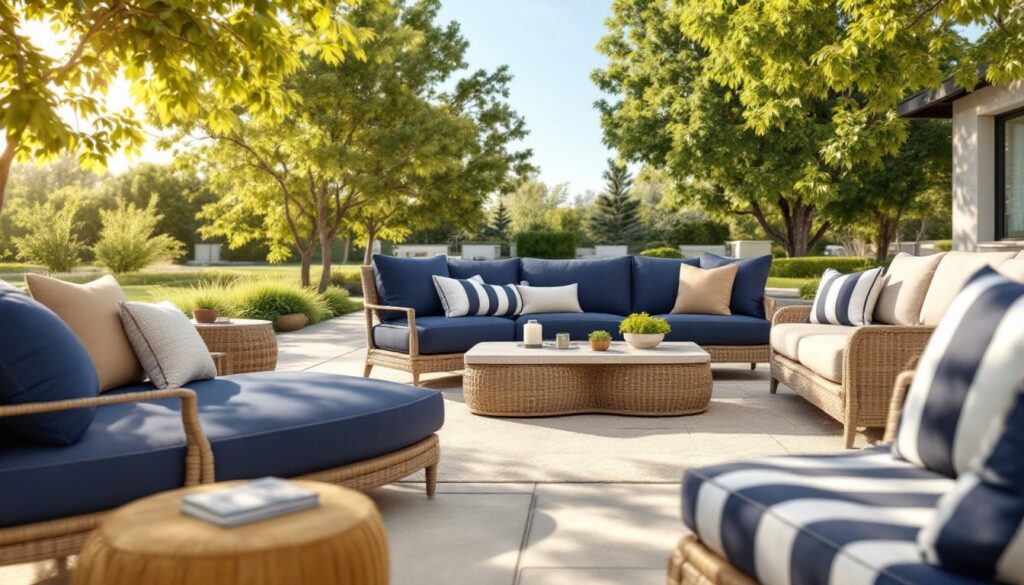
ToggleSunbrella cushions have become the gold standard for outdoor seating, and for good reason. Whether you’re furnishing a small balcony or a sprawling patio, the right cushions transform comfort and longevity. Unlike standard patio cushions that fade, mildew, and deteriorate within a season or two, Sunbrella cushions hold up against UV rays, moisture, and heavy use. This guide walks you through what makes them different, how to pick the right size and style for your setup, and the maintenance routines that keep them looking fresh for years. If you’ve been sitting on uncomfortable or weather-beaten cushions, it’s time to upgrade.
Key Takeaways
- Sunbrella cushions use solution-dyed acrylic fabric that retains 98% of its original color after five years, resisting fade, mildew, and water damage far better than standard patio cushions.
- Accurate measurement of your furniture’s seating surface and depth is essential before purchasing, as nominal sizes differ from actual dimensions and proper fit prevents sliding and awkward folding.
- Quality Sunbrella cushions last 7–10 years with basic maintenance, outlasting standard cushions that need replacing every 2–3 years, making them a cost-effective long-term investment.
- Secure your cushions with tight-fitting placement, anchor straps on lounge chairs, and locking mechanisms or furniture weights in high-wind areas to prevent loss and damage.
- Weekly sweeping and seasonal deep cleaning with mild soap and water—followed by thorough air-drying in sunlight—keeps patio furniture cushions fresh and prevents mold growth during storage.
What Makes Sunbrella Cushions Different From Standard Patio Cushions
Sunbrella fabric is a solution-dyed acrylic textile engineered specifically for outdoor durability. Unlike standard polyester or cotton blends used in cheaper patio cushions, the color is built into the fiber itself during manufacturing, not printed on the surface. This means the color won’t fade, chalk, or wash away, even after years of direct sunlight.
The fabric’s density also matters. Sunbrella weaves are tighter, offering superior water resistance without requiring a plastic backing that traps moisture and promotes mildew. Standard cushions often absorb water, leading to mold growth, odor, and faster breakdown. Sunbrella repels water while still allowing air circulation, so cushions dry quickly after rain.
Another key advantage is fade resistance. Sunbrella cushions retain 98% of their original color after five years of outdoor exposure, according to manufacturer testing. Compare that to standard outdoor fabrics, which noticeably fade within one or two seasons. The fabric also resists cracking and brittleness, common problems in cheaper cushions exposed to temperature swings.
Cost is higher upfront, but the lifespan justifies it. A quality Sunbrella cushion set lasts seven to ten years with basic care, while standard cushions typically need replacing every two to three years. Cushion cores filled with quick-dry foam also prevent water logging and extend cushion life significantly.
How to Choose the Right Size and Fit for Your Patio Furniture
Accurate measurement is non-negotiable. Before ordering, measure the seating surface of your patio furniture, both the width and depth, and compare to the cushion dimensions listed by the manufacturer. Nominal sizes (like a “24-inch” cushion) often differ from actual measurements. A seat cushion labeled 24 inches may measure 23.5 inches to allow for seating depth variation.
Check your furniture frame depth as well. A cushion that’s too thick relative to your seat depth will slide off or fold awkwardly. Conversely, a cushion too thin looks sparse and fails to provide proper support. Most patio seat cushions range from 4 to 6 inches thick: lounge and chaise cushions are typically 5 to 8 inches.
Consider your furniture style. Deep-seated lounge chairs need longer cushions (often 78 to 80 inches), while dining chairs require slimmer options (usually 18 to 20 inches long). Sectional cushions come in modular sizes, so measure each piece separately. Foam cores in quick-dry cushions compress slightly after the first few uses, so err on the side of snug fit over loose fit, the fabric and foam will settle.
If you’re shopping for Home Depot Outdoor Furniture, check their specific dimensions against your frame, as patio sets vary widely by brand and model. Many retailers offer custom sizing, which costs more but guarantees a proper fit and prevents buyer’s remorse.
Sunbrella Fabric Options: Colors, Patterns, and Performance Features
Sunbrella offers over 300 colors and patterns, so selection can feel overwhelming. Most cushion manufacturers stock the popular neutrals, grays, taupes, blacks, and whites, as well as vibrant options like reds, blues, and greens. Lighter colors stay cooler in direct sun and hide dust: darker shades show watermarks more readily but are more forgiving with dirt and staining.
Pattern choice often comes down to aesthetics and practical durability. Solid colors provide versatility and timelessness, while stripes and geometric patterns can hide minor stains better than solids. Performance characteristics remain consistent across colors: all Sunbrella solutions are solution-dyed, all resist fading and mold, and all repel water effectively.
When comparing cushion options, look for solution-dyed acrylic specifically, and verify the manufacturer’s claims about UV and mildew resistance. Some outdoor cushions use Sunbrella-adjacent fabrics that mimic the look but lack the durability. Check labels for “Solution-dyed acrylic” and look for warranties, genuine Sunbrella products typically come with five-year or longer guarantees.
Consider longevity over trend. Neutral colors and classic patterns remain appealing for years, while trendy pastels or neons may feel dated quickly. If you want bold color, reserve it for accent cushions on secondary seating, where replacing them later is less costly. Many homeowners find resources like Design Milk useful for contemporary furniture and color pairing inspiration.
Installation and Maintenance Tips for Long-Lasting Cushions
Securing Your Cushions Properly
Proper placement prevents wind theft and sliding during use. On dining chairs, cushions should sit snug but not pinched, you should be able to slip a finger between the cushion and chair back. Chaise and lounge cushions need straps or ties on the underside: these anchor to the frame legs or horizontal supports. Check that straps aren’t twisted and that ties are knotted securely without cutting into the foam.
For cushions on high-wind patios, consider locking straps (heavy-duty velcro or adjustable webbing straps) that secure the cushion to the frame. Free-standing cushions on ground-level seating can be held down with furniture weights, flat metal or rubber anchors placed under the cushion.
Wind-prone areas may also benefit from cushion storage boxes or deck boxes where you stow cushions during peak wind seasons or when not in use. This protects your investment and frees up seating without clutter.
Cleaning and Seasonal Storage Best Practices
Regular cleaning extends cushion life significantly. A quick weekly sweep removes dust and debris before they settle into the fabric. For deeper cleaning, mix a mild dish soap solution (1 tablespoon per gallon of water) and scrub with a soft brush. Rinse thoroughly with a garden hose set on low pressure, high-pressure washers can damage seams and push water into the foam core.
For stubborn stains, let the soapy water sit for 10 to 15 minutes before scrubbing. Sunbrella fabric resists most stains, but mildew spots are common in humid climates. A 1:3 white vinegar-to-water spray kills mildew without bleach, which can weaken fibers. Always air-dry cushions completely in sunlight before storing, trapped moisture invites mold growth.
At the end of the season, store cushions in a dry, well-ventilated space, ideally off the ground on wooden pallets or shelving. A breathable cover (not plastic, which traps humidity) protects from dust while allowing air flow. Store in a temperature-stable area if possible, basements work better than attics, which fluctuate wildly with temperature.
If you live in a climate where winter weather is severe, removing cushions during off-season months is wise. Some homeowners use Home Depot Patio Furniture seasonal sales to rotate in storage-friendly frames or covers during winter. The Spruce and other home care sites offer detailed seasonal patio maintenance schedules if you want a structured approach to cushion and furniture care. Aluminum frames, in particular, benefit from this rotational strategy.
Conclusion
Investing in quality Sunbrella cushions pays dividends through comfort, durability, and low maintenance. Measure carefully, choose neutral or timeless colors, secure your cushions properly, and clean them seasonally. These steps ensure your outdoor seating stays comfortable and attractive for a decade or more. Stop replacing soggy, faded cushions every other year, upgrade once and enjoy your patio worry-free.