
Table of Contents
ToggleBringing the beach indoors doesn’t require a waterfront property or a contractor’s budget. Coastal beach living room furniture centers on natural textures, relaxed proportions, and a color palette that echoes sand and sea. Whether you’re drawn to the washed-out blues of weathered driftwood or the warm tones of natural linen, coastal design translates that carefree seaside feeling into a space where your family actually wants to gather. The best part? You can build a cohesive, inviting living room using pieces you’ll find locally or online, working within whatever timeline and budget fits your home.
Key Takeaways
- Coastal beach living room furniture prioritizes natural textures, light colors, and functional design to create a calm, airy space that feels relaxed without requiring a luxury budget.
- Choose lightweight seating like linen sofas with clean lines, light-wood coffee tables with open bases, and wicker or rattan pieces to maintain the breezy aesthetic coastal design demands.
- Limit your color palette to three or four primary tones from nature—soft whites, pale grays, muted blues, and sand tones—plus neutral accents for visual coherence.
- Layer textures strategically using natural fibers like linen, jute, sisal, and rattan to add visual depth and prevent coastal spaces from feeling flat or boring.
- Budget-friendly coastal design works by investing in quality neutral anchor pieces first, then transforming the room with affordable throw pillows, rugs, and textiles in complementary tones.
- Avoid fast-fashion furniture; instead source solid vintage pieces from thrift stores and estate sales that you can refinish or reupholster to fit your coastal vision authentically.
Understanding Coastal Design Principles for Your Living Room
Coastal design isn’t about cramming shells and anchors into every corner. It’s a deliberate approach centered on creating calm, light-filled spaces that feel airy and uncluttered. The philosophy leans on functionality, furniture and accessories earn their place by serving a purpose, not just looking pretty.
Start by embracing natural light. Coastal rooms typically rely on sheer curtains or no coverings at all, allowing sunlight to bounce off light-colored walls and surfaces. Your wall color sets the tone: think soft whites, pale grays, muted greens, or warm sand tones rather than deep, dramatic hues.
Texture matters enormously in coastal design. Jute, linen, wool, and rattan replace heavier velvets and leather. An unfinished wood coffee table paired with a sisal rug creates visual interest without visual weight. The overall effect should feel relaxed, as if you’re living in a sunlit cottage by the water rather than performing a formal sitting room.
One practical rule: limit your color palette to three or four primary tones plus neutrals. This creates visual coherence without the fussy feeling of too many competing hues. Your eye should travel easily around the room without landing on jarring contrasts.
Essential Furniture Pieces for a Beach-Inspired Living Room
Seating: Sofas and Chairs That Capture Coastal Comfort
Your sofa anchors the room, so choose wisely. Look for a piece with clean lines and minimal tufting, oversized Chesterfield sofas feel too formal and heavy for coastal spaces. Lightweight frames and linen or linen-blend upholstery are your friends. A slipcover sofa works beautifully because you can remove and wash the covers, which is practical in humid coastal climates and genuinely useful if you have kids or pets.
For armchairs, consider a low-backed design or a wingback chair in a neutral fabric. Rattan or wicker chairs bring authentic coastal texture and work well as occasional seating. If budget allows, a quality upholstered ottoman serves double duty as a footrest and extra seating. Avoid dark leather or heavy, tufted pieces, they fight the breezy aesthetic.
Tables and Storage Solutions for a Relaxed Aesthetic
Coffee tables should feel light, not monumental. Reclaimed or light-wood tables with open shelving underneath (rather than solid bases) maintain that airy feel. Metal and glass combinations also work well if you want something less rustic. Avoid ornate carved legs or marble tops: natural wood with a weathered finish or white-painted pieces align better with coastal principles.
Storage matters in any living room, and coastal design solves this with open shelving and light cabinetry. Low bookcases painted white or soft gray keep sightlines open. Baskets woven from jute or seagrass tuck neatly under tables or into shelving and hide clutter without adding visual bulk. A sideboard or media console in natural wood or whitewashed finish provides functional storage without the weight of a heavy dresser.
Color Palettes and Materials That Evoke the Seaside
A coastal color palette pulls directly from nature: sand, sea, sky, and weathered wood. Your base colors should be neutrals, whites, warm grays, soft taupes, or pale greige. Secondary colors are muted: soft blues, seafoam greens, warm terracotta, or sandy beige. Accent colors (used sparingly) might include deeper navy, sage green, or coral. The key is keeping every shade soft and unsaturated: avoid bright primary colors or trendy pastels that feel more “Easter egg” than “seaside escape.”
Materials are equally important. Natural fibers dominate: linen, cotton, jute, sisal, rattan, and seagrass. Wood should feel organic, unfinished oak, light pine, or weathered teak. Metal accents work best in brushed brass, aged copper, or matte black iron rather than shiny chrome. If you choose upholstery, linen-blend fabrics are more durable than pure linen and resist wrinkling better, making them practical for real living.
Layering textures prevents coastal spaces from feeling flat or boring. A chunky knit throw over a linen sofa, a sisal rug anchoring a plank wood floor, and a rattan side table all work together to create visual depth. When browsing options for home furniture, prioritize pieces with visible grain, natural variations, and an unpretentious, well-used appearance rather than pristine, mass-produced uniformity.
Styling Your Coastal Living Room on Any Budget
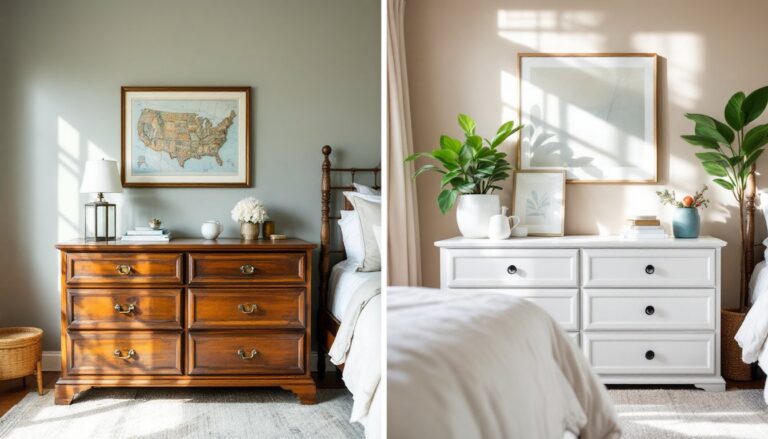
Building a coastal living room doesn’t require a five-figure spending spree. Many pieces that fit the aesthetic are actually affordable basics, white-painted dressers, unfinished wood shelves, and plain linen slipcovers are accessible at mainstream retailers.
Budget-conscious approach: Start with the big pieces (sofa, main chairs, coffee table) in neutral colors and natural materials. These anchors last and won’t look dated. Layer in texture with throw pillows, blankets, and rugs in varying tones of cream, white, soft blue, and sand. A $40 sisal rug and some $15 linen pillow covers can transform a room. Rope, driftwood, and collected beach finds (if you have them) cost nothing but add authentic character. Paint your walls a soft neutral if they’re currently bold: this pays dividends in every season.
Mid-range approach: Invest in a quality sofa with natural upholstery, add two solid accent chairs (rattan or light-wood frame), and include a sturdy storage piece. Sources like Home Depot Patio Furniture sometimes carry coastal-style pieces that work indoors, and mainstream home furnishing shops stock abundant light-wood and rattan options. Accessorize with quality textiles and a few art prints featuring coastal scenes or abstract water-inspired pieces.
Higher budget: Prioritize one or two statement pieces, a high-quality sectional sofa in linen, a custom-built shelving wall, or a beautiful reclaimed-wood dining console that anchors the adjacent space. Invest in natural fiber rugs (wool sisal blends are durable), and don’t skimp on throw pillows and blankets. Resources like House Beautiful’s collection of beachy living rooms show how layering quality pieces creates a polished, professional look.
No matter your budget, avoid fast-fashion furniture. Pieces with loose stitching, flimsy frames, or plastic-heavy construction won’t age well and contradict the natural, enduring aesthetic you’re building. Instead, haunt thrift stores, estate sales, and local furniture shops for solid vintage pieces you can refinish or reupholster. Blogs like Young House Love frequently feature before-and-after projects showing how a fresh coat of paint or new slipcover transforms old furniture into something that fits your coastal vision.
Conclusion
Coastal beach living room furniture is about creating a sanctuary that feels restful and genuine, not about copying a design magazine. Focus on natural materials, a light color palette, and pieces with clear purpose and honest construction. Whether you’re refreshing a single room or overhauling your entire living space, start with the fundamentals, a neutral sofa, natural wood tables, and good textiles, then layer in personality through color, texture, and accessories. The beauty of coastal design is its flexibility: you can build it gradually and adjust as your taste (and budget) allows.