Table of Contents
ToggleIf you’ve ever run your hand across a piece of vintage wrought iron patio furniture, you know the appeal is more than visual. That smooth, hand-forged quality feels substantial in a way modern mass-produced pieces rarely do. The 1960s represented a golden age for outdoor living, when patios transformed into genuine extensions of the home and wrought iron became the material of choice for style-conscious homeowners. Whether you’re hunting for authentic pieces to restore, furnishing a period-correct patio, or simply drawn to the craftsmanship of mid-century metalwork, understanding what makes 1960s wrought iron special matters. This guide walks you through identification, evaluation, restoration, and integration of these enduring outdoor classics.
Key Takeaways
- Authentic 1960s wrought iron patio furniture is distinguished by its substantial weight, hand-forged quality, clean geometric forms mixed with organic curves, and construction details like tapered legs and woven seating surfaces.
- Genuine 1960s wrought iron pieces feature maker’s marks from brands like Woodard, Russell Woodard, and Brown Jordan, consistently clean welding, and characteristic dark gray metal underneath any finish.
- Restoring 1960s wrought iron requires assessing structural integrity, removing rust with wire brushes and rust converters, applying rust-inhibiting primer and outdoor-rated paint, and replacing deteriorated mesh seating with period-appropriate reproduction materials.
- Authentic mid-century patio furniture integrates seamlessly into modern outdoor spaces when paired with contemporary color schemes, complementary materials like teak or concrete, and updated cushions and textiles that feel current.
- Budget $150–$600 for restorable individual chairs and $300–$1,200 for matching sets, sourcing pieces from estate sales, online marketplaces, and specialty vintage dealers rather than reproduction retailers.
- Original 1960s wrought iron maintains superior functionality and craftsmanship compared to modern reproductions, with proper maintenance including annual cleaning, paste wax application, and indoor storage of cushions ensuring decades of outdoor use.
Understanding 1960s Wrought Iron Design
Characteristics of Mid-Century Wrought Iron
Wrought iron patio furniture from the 1960s carries distinct hallmarks that set it apart from earlier Victorian-era work and later reproductions. The material itself, real wrought iron, not cast iron or steel, was hammered and shaped by hand or machine into elegant, flowing lines. You’ll spot this era’s furniture by its clean geometric forms mixed with organic curves, reflecting the modernist influences of the time.
Authentic 1960s pieces typically feature tapered legs, scrollwork details, and seating surfaces made from woven materials like vinyl mesh, naugahyde, or metal mesh straps. Unlike heavy Victorian wrought iron, mid-century designs prioritized function and comfort alongside aesthetics. The color palette leaned toward earth tones and soft pastels, avocado, harvest gold, bronze powder coat, and classic black with brass accents were standard.
Weight is a reliable indicator. True wrought iron is substantially heavier than aluminum or modern steel reproductions, and you can feel the difference immediately when moving a chair. Look closely at welds and joints: 1960s factory work shows consistent, clean seams with minimal surface rippling. Hand-welded pieces may display slight irregularities, but these speak to authenticity rather than defect.
Popular Styles and Design Elements
The 1960s saw several dominant design movements influence patio furniture. Mid-Century Modern emphasized minimalist forms with tapered legs, often paired with simple geometric cushioning. Brands like Woodard and Russell Woodard dominated this category, producing lightweight but durable pieces that proved ideal for residential patios.
The Boomerang and Atomic style brought sculptural flair, with curved armrests and seat backs that mimicked the era’s space-age optimism. Scrolled ironwork often incorporated brass rings, finials, or decorative tips at joint endpoints. These pieces feel playful but remain structurally sound, designed for entertaining and relaxed outdoor living.
Tropical and Tiki-inspired designs featured heavier scrollwork, sometimes with bamboo or rattan accents. Regional variations appeared too, Southwestern aesthetics incorporated simpler geometric patterns, while coastal furniture often showcased more elaborate filigree.
The common thread across all 1960s styles was the shift toward comfort. Mesh seating replaced rigid slats, cushions became expected rather than optional, and tables gained practical dimensions for dining rather than decoration. Design elements weren’t purely ornamental: they supported actual use, which explains why well-maintained pieces from this era remain fully functional today.
How to Identify and Evaluate Authentic Pieces
Distinguishing genuine 1960s wrought iron from reproduction knockoffs requires attention to material composition, construction methods, and wear patterns. Start by examining the base metal. Real wrought iron has a slightly fibrous, almost grainy appearance when fractured or closely magnified, something reproduction steel or cast iron can’t quite replicate. The metal should be consistently dark gray or nearly black underneath any finish, not shiny or uniformly colored.
Inspect maker’s marks. Many legitimate 1960s manufacturers stamped or welded their names into framework. Look inside leg cavities, on cross-braces, or beneath seats for “Woodard,” “Russell Woodard,” “Salterini,” “John Salterini,” “Brown Jordan,” or “Meadowcraft.” Not all pieces bear marks, but established makers often did. Even unmarked pieces can be authentic: presence of a mark simply increases confidence.
Examine construction details. Factory-made 1960s pieces show consistent welding throughout, with clean beads and no visible ductwork or modern fasteners. Mesh or strap seating should be tightly secured with minimal slack. Original finish, whether powder coat, paint, or bare patina, will show age-appropriate oxidation and wear.
Test the weight and balance. Lift a chair: authentic wrought iron feels properly substantial and balances logically on its legs. Unstable or unusually light pieces suggest modern materials substituted for iron. Reproduction aluminum mimics the look but weighs perhaps one-third as much.
Price and provenance matter too. Original 1960s pieces in restorable condition typically range from $80–$400 per chair depending on condition, maker, and complexity. Suspiciously cheap “vintage” furniture is often reproduction. When purchasing, ask sellers for photographs of joints, any maker’s marks, and details about where the piece came from.
Restoration and Maintenance Techniques
Restoring 1960s wrought iron requires patience but rewards you with fully functional, beautiful outdoor furniture. Start with a structural assessment. Check welds for hairline cracks by running a wire brush along seams, cracks will reveal gaps or rough edges. Spot any bent or misaligned components that might compromise stability.
For surface restoration: Use a wire brush (handheld or powered) to remove loose rust and old paint. Wear heavy work gloves, eye protection, and a dust mask when working with rust particles. Once bare metal is exposed, wipe clean with a tack cloth to remove dust. Apply a rust converter like Ospho or Evapo-Rust per product instructions, these chemically transform rust into a stable coating rather than simply coating over it.
Next comes primer and finish. A rust-inhibiting metal primer rated for iron provides essential protection. Two thin coats beat one heavy coat: allow proper dry time between layers. For the topcoat, choose paint rated for outdoor metal. Satin or semi-gloss acrylic latex or oil-based enamel both work well. Original colors can be matched to period-appropriate swatches from heritage paint lines, or you might prefer contemporary colors that complement your garden.
Mesh or strap seating often requires replacement. Original vinyl mesh disintegrates over decades, but reproduction mesh in period-appropriate colors (bronze, tan, avocado) is readily available online. You’ll need a rubber mallet and patience to re-seat the material: it’s not difficult, just methodical.
Ongoing maintenance keeps restored pieces looking fresh. Annual cleaning with mild soap and water, followed by a thin coat of paste wax (applied and buffed), preserves finish and resists moisture. Store cushions indoors during winter months. In snowy or salty climates, consider bringing lighter pieces under cover, though quality restored furniture tolerates outdoor exposure well.
Incorporating Vintage Wrought Iron Into Modern Outdoor Spaces
Pairing 1960s wrought iron furniture with contemporary patio design requires intentional styling but yields sophisticated, layered aesthetics. The key is respecting the furniture’s visual weight without overwhelming the space.
Color coordination matters more than period matching. Mid-century pieces work beautifully with modern color schemes, a powder-coated bronze chair suits grays and whites just as well as retro palette. Avoid clashing a highly ornamental 1960s piece with ultra-minimal modern decor: let the furniture breathe in spaces with complementary furnishings.
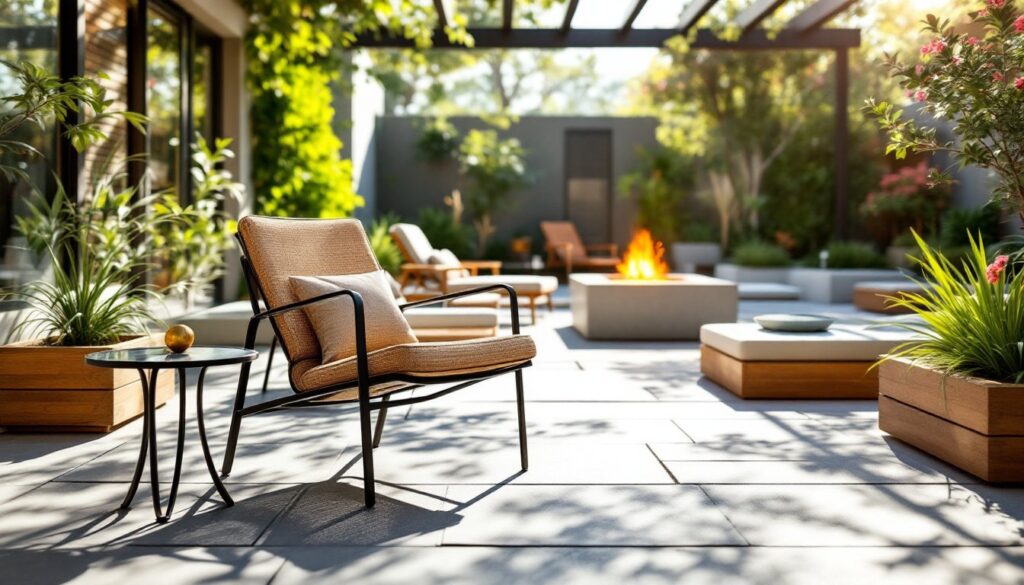
Mixing materials creates visual interest. Wrought iron pairs naturally with Home Depot Patio Furniture options, modern teak, concrete, or fiber-cement elements. A vintage wrought iron chair beside a contemporary fire table creates dialogue between eras. Similarly, Aluminium Outdoor Furniture coordinates well: the visual contrast between heavier iron and lightweight aluminum feels intentional and modern.
Landscaping and hardscaping anchor vintage pieces in contemporary settings. A 1960s wrought iron seating cluster positioned on large-format paver or polished concrete reads as intentional staging rather than nostalgic hodgepodge. Raised planters, modern screens, or contemporary sculpture nearby provide visual balance.
Cushions and textiles update vintage furniture immediately. Opt for modern fabric colors and patterns that complement rather than replicate the 1960s. Neutral linen, geometric contemporary prints, or even bold solid colors transform period furniture into fresh outdoor rooms. Think of your wrought iron as the anchor: everything else, textiles, lighting, plants, should feel current.
Where to Find and Purchase 1960s Wrought Iron Furniture
Sourcing authentic 1960s wrought iron requires knowing where to look and what to expect in terms of pricing and condition. Online marketplaces like eBay, Craigslist, and Facebook Marketplace regularly feature pieces, though vetting authenticity requires the evaluation skills outlined earlier. Photos should show detail of joints, maker’s marks, and overall condition. Always ask sellers specific questions about construction, repairs, and origin.
Estate sales and auctions remain goldmines. Mid-century furniture often appears in homes being cleared by younger owners unfamiliar with its value. Local estate sale companies can alert you to upcoming sales featuring furniture: this route often yields better pricing than retail vintage dealers.
Specialty vintage dealers focusing on mid-century modern or outdoor furniture typically charge premium prices but offer curated selection and some restoration guarantee. These dealers authenticate pieces and often handle repairs, so you’re paying for knowledge and condition assurance alongside the item.
Antique malls and flea markets present mixed opportunities. You’ll find genuine pieces mixed with reproductions, so skills matter. Pricing varies wildly depending on seller knowledge: savvy shoppers occasionally score deals from sellers unfamiliar with wrought iron values.
Regional design publications like Southern Living and Gardenista occasionally feature collections and sources. Similarly, Elle Decor highlights designer use of mid-century vintage pieces, sometimes crediting dealers or auction houses. These publications occasionally mention seller resources and trends worth monitoring.
Budget $150–$600 for a quality restorable chair, $300–$1,200 for a matching set, and $200–$800 for dining tables depending on condition, size, and maker. Pristine examples command higher prices: pieces requiring structural work cost less but demand your time and expertise.