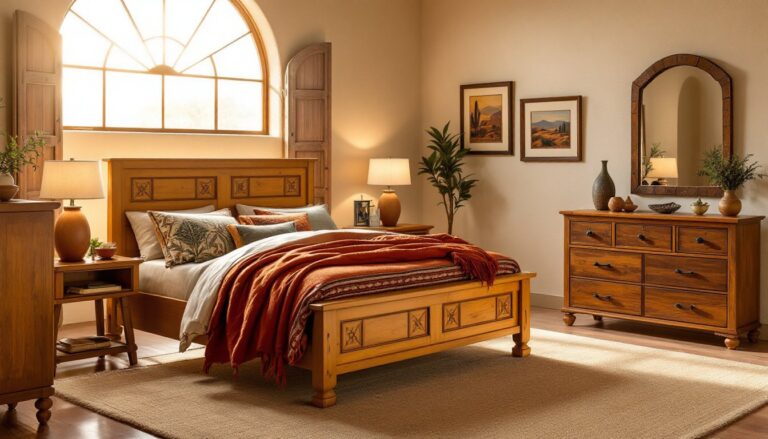

Interior design isn’t just about making a space look pretty: it’s about creating an environment where you feel comfortable and inspired. If you think that this involves hiring a pricey designer, think again. Interior design basics can be learned by anyone with a little guidance. Picture this: you walk into a room, and it radiates your style, enhances your mood, and even boosts your productivity. Sounds dreamy, right? Let’s jump into the essentials of interior design that will help transform any space into a masterpiece all on your own.
Understanding the Principles of Interior Design
At the heart of every stunning interior lies a set of foundational principles guiding the design process. These principles ensure that a space is not just beautiful but also functional and harmonious. Here are a few key fundamentals to keep in mind:
- Balance: This involves distributing visual weight in a room. It can be symmetrical, with equal elements on either side, or asymmetrical, where the arrangement is more casual yet still appears balanced.
- Contrast: Using opposing elements, like light and dark colors, can create visual interest. A stark contrast can make a room feel vibrant and energetic, while subtle differences promote tranquility.
- Rhythm: Create a flow by repeating elements such as colors, textures, or patterns. This not only enhances aesthetic appeal but also guides the viewer’s eye throughout the space.
- Scale and Proportion: Understanding how different pieces interact with each other and the room is crucial. Large furniture in a tiny room can overwhelm, while small decor in a vast space might vanish.
- Unity: Every piece should contribute to the overall theme or feeling in the space, creating a cohesive look.
Mastering these principles equips anyone to revolutionize their environment, transforming it from ordinary into extraordinary.
Key Elements of Interior Design
Interior design is more than just a splash of paint and new furniture: it incorporates several critical elements:
- Space: This refers to the physical dimensions of a room and how they are used. Open layouts, nooks, or defined spaces all create different vibes.
- Line: The lines drawn by furniture, architecture, and accessories can guide the eye and influence the mood. Horizontal lines create tranquility, while vertical lines suggest strength.
- Color: As we’ll discuss in depth later, color can shift how a space feels entirely.
- Texture: This enhances the visual and tactile appeal of a room. Different materials, from smooth glass to rugged wood, create layers of depth and interest.
- Pattern: Fabrics, wallpaper, and decor with patterns can inject personality and vibrancy into your design.
- Light: Natural and artificial light influences the ambiance and functionality. Proper lighting can make or break how a space is experienced.
Selecting these elements thoughtfully guarantees your design speaks volumes about your personality and preferences.
Color Theory in Interior Design
Color plays a pivotal role in setting the mood and tone of any space. Understanding color theory can be a game changer in interior design. Here are some important concepts:
- The Color Wheel: This tool helps identify complementary colors, analogous colors, and triadic schemes, making it easier to choose harmonious palettes.
- Warm vs. Cool Colors: Warm colors (reds, oranges, yellows) evoke energy and coziness, while cool colors (blues, greens, purples) often feel calming and serene.
- The 60-30-10 Rule: This guideline suggests you use 60% of a dominant color, 30% of a secondary color, and 10% of an accent color to create a balanced look.
- Lighting Considerations: How colors appear can change with different lighting. The same hue can look drastically different under warm versus cool light.
By strategically applying color theory, anyone can craft spaces that resonate emotionally and visually.
Selecting Furniture and Accessories
Furniture selection can make or break your interior design. It is essential to choose pieces that are not only stylish but functional. Consider the following tips:
- Functionality First: Ensure that the furniture serves its intended purpose. An oversized sofa might look good but can block the flow of a room.
- Scale and Proportion: Just like with the overall space, furniture should fit within the proportions of the room. Opt for multi-functional furniture like storage ottomans or sofa beds to maximize utility.
- Style Cohesion: Different styles can be mixed, but it shouldn’t feel chaotic. A balance of modern and vintage can work wonders if done thoughtfully.
- Accessorize Wisely: Accessories like throws, pillows, artwork, and plants can personalize a space. Just don’t overcrowd: they should enhance the design rather than distract.
Eventually, the furniture and accessories you choose should reflect personal style while functioning seamlessly in the space.
Creating a Functional Layout
A functional layout is crucial in interior design. It doesn’t just dictate how the space looks but how it operates. Here’s how to design for functionality:
- Consider Traffic Flow: Ensure there’s enough room for movement between furniture pieces. Avoid placing obstacles in high-traffic areas.
- Zoning: Establish different areas for various functions, like a cozy reading nook or a productive home office. This segmentation enhances usability.
- Focal Points: Every room should have a focal point, whether a grand fireplace, a stunning piece of art, or a unique piece of furniture. This guides arrangement and design decisions.
- Comfort and Accessibility: Prioritize seating arrangements. For example, in a living room, seating should encourage conversation yet provide comfort.
When the layout is practical, it elevates the entire experience of the space, making it enjoyable for everyone.
Incorporating Lighting into Design
Lighting is often considered the unsung hero of interior design. It illuminates space, sets the mood, and highlights key features. Here’s how to effectively incorporate lighting:
- Layering: Use multiple light sources at different levels. Combine ambient (general), task (for specific activities), and accent (highlighting features) lighting to create a well-lit space.
- Natural Light: Consider window treatments that maximize natural light. Allowing sunlight in not only makes a space feel larger but also adds a warm glow.
- Smart Lighting Solutions: Installing dimmers can adjust the atmosphere as needed. Consider smart light systems that allow control over color and intensity.
- Decorative Fixtures: Use unique light fixtures as design elements. Chandeliers, floor lamps, or wall sconces can serve as artistic focal points.
When lighting is thoughtfully incorporated, it transforms spaces into vibrant, livable environments that feel inviting and dynamic.
Sustainable and Eco-Friendly Design Practices
As awareness of environmental impact grows, sustainable interior design practices are becoming essential. Here are some eco-friendly approaches:
- Use Sustainable Materials: Look for furniture made from reclaimed or responsibly sourced wood. Opt for non-toxic paints and finishes that are safer for homes and the environment.
- Energy Efficiency: Invest in energy-efficient appliances and LED lighting solutions. This reduces energy consumption while enhancing utility over time.
- Incorporate Nature: Biophilic design not only adds aesthetic appeal but also provides health benefits. Integrate plants and natural elements, promoting air quality and enhancing wellbeing.
- Repurposing and Upcycling: Don’t be afraid to add character by repurposing old furniture or using vintage decor. This is both unique and eco-friendly.
By embracing sustainable practices, anyone can create a beautiful, functional space while caring for the planet.