
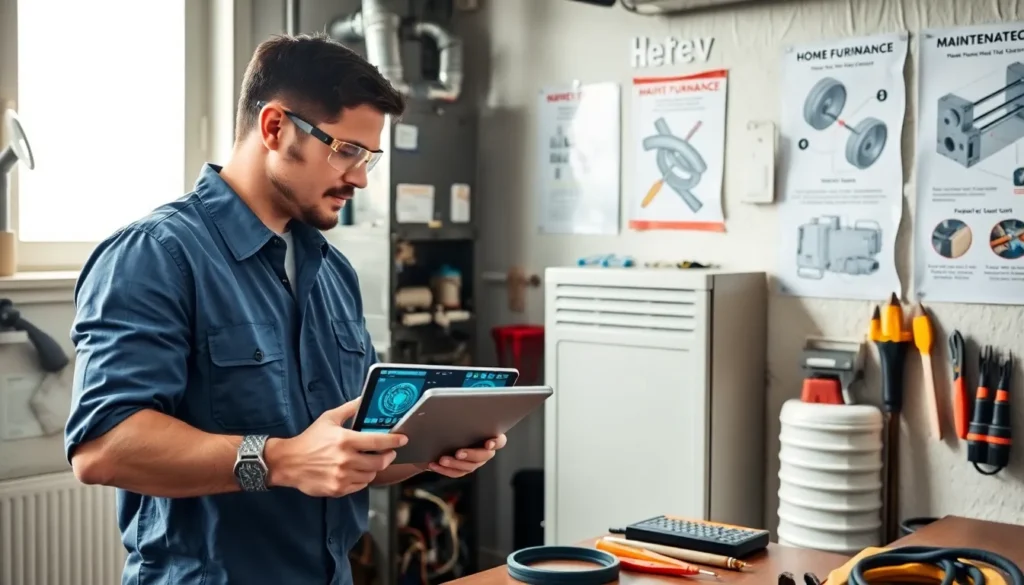
Is your home feeling a bit chillier than usual? Maybe it’s time to give your furnace some well-deserved TLC. Home furnace maintenance might sound tedious, but it’s like giving your furnace a spa day, only without the cucumbers on the eyes. Whether you’re preparing for winter’s icy embrace or just ensuring your indoor oasis stays cozy, keeping your furnace in tip-top shape is crucial. Let’s immerse and uncover how to keep that furnace humming happily, avoiding unexpected blizzards indoors.
Understanding Your Furnace System
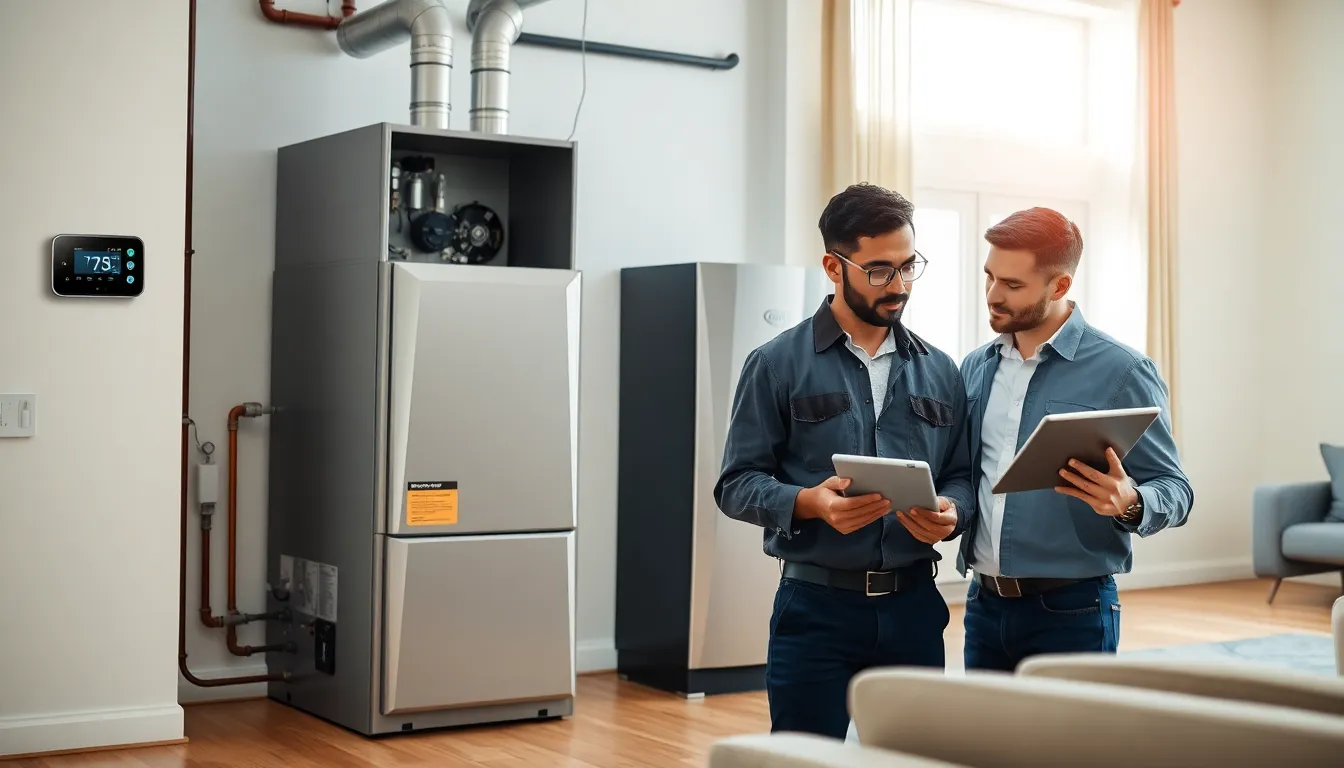
Before diving into maintenance, it helps to know what’s what. A furnace doesn’t just magically warm your home: it’s a complex system that includes several key components. Most commonly, you’ll encounter two types: forced-air systems and hot water boilers.
Forced-air systems blow heated air through ductwork, while hot water boilers use radiators to distribute warmth. Understanding how your furnace works is crucial because it allows for more effective maintenance and troubleshooting.
Also, familiarize yourself with the thermostat settings: they guide the furnace’s operation. If yours is a bit too old-school, consider upgrading to a smart thermostat that offers features like remote access and energy usage stats, which can optimize comfort and efficiency.
Understanding your furnace helps demystify the maintenance process, leading to proactive rather than reactive measures.
The Importance of Regular Maintenance
Neglecting furnace maintenance is like ignoring a warning sign on the highway, eventually, something’s going to give. Regular maintenance not only extends the life of your furnace but also improves efficiency, keeping your energy bills lower.
A well-tuned furnace operates with fewer hiccups and is less likely to fail right when you need it most. Picture this: the snow is falling, and you’re snuggled up with a cup of cocoa when suddenly, your furnace decides to take an unscheduled holiday. Not ideal, right?
Also, regular maintenance can ensure that your home maintains a consistent temperature. Without it, you risk creating cold spots, leading to discomfort that no amount of blankets can fix.
Essential Furnace Maintenance Tasks
Maintaining your furnace can seem daunting, yet breaking it down into manageable tasks makes it entirely achievable.
DIY Maintenance Tips for Homeowners
- Change the Air Filter: This is often overlooked but vital. A clogged filter restricts airflow, forcing the furnace to work harder. Change it every 1-3 months, especially during high-use seasons.
- Clean the Vents and Registers: Dust and debris can accumulate, blocking heat distribution. A quick vacuum can work wonders.
- Inspect the Pilot Light or Ignition: If the pilot light is out or the ignition is acting funny, it may need a little help: check that it’s in working order.
- Clear the Area Around Your Furnace: Ensure that no flammable materials stalk the vicinity. A clutter-free zone means a safety-first furnace.
- Check the Thermostat: Make sure it functions correctly. Programming it can help save energy while labeling offers more consistent temperature regulation.
- Schedule Biannual Check-ups: A professional can spot issues before they escalate, ensuring peace of mind.
Furnace maintenance doesn’t have to be a chore. Regular attention to these tasks can prevent headaches down the line.
When to Call a Professional
While many maintenance tasks can be tackled alone, knowing when to bring in the cavalry is equally important. If your furnace starts making strange noises, think rattles or hisses, it’s likely time to bring in a professional.
Also, if you notice uneven heating, significant changes in your energy bill, or frequent cycling on and off, don’t hesitate to make that call. Ignoring these signs could lead to much larger issues.
Also, if your furnace is more than 15-20 years old, having a technician assess its condition annually can save future headaches. Investing in a small maintenance fee now can prevent a significant expense later.
Signs Your Furnace Needs Repair
Recognizing the red flags can save you from a chilly surprise. Here are the top signs to keep an eye on:
- Increased Energy Bills: If your energy costs skyrocket without explanation, your furnace may be struggling.
- Strange Noises: Watch out for clanging, popping, or grinding sounds. These noises indicate that something is off inside your unit.
- Uneven Heating: If certain rooms are iceboxes while others feel like saunas, your furnace might be having trouble circulating air effectively.
- Frequent Cycling: If it turns on and off like clockwork, that’s a cry for help.
- Foul Smells: Unpleasant odors, especially sulfur or burning smells, require immediate attention.
Understanding these signs empowers homeowners to act quickly. The earlier issues are caught, the less devastating the repairs.


