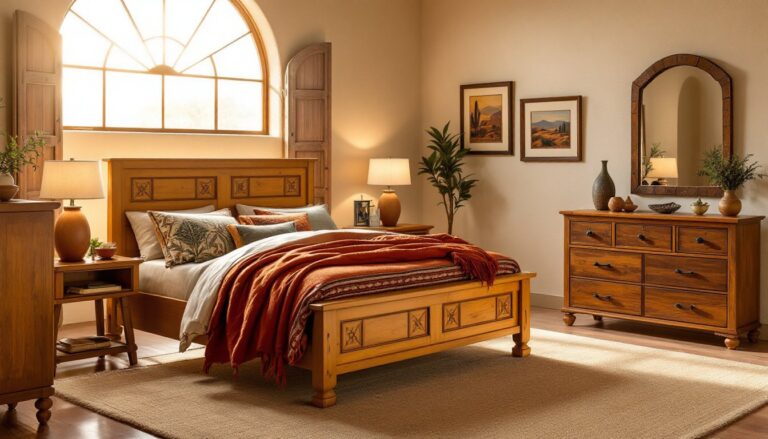

Every great room begins with a spark of creativity and a whole lot of planning. The interior design process isn’t just about picking pretty colors or stylish furniture: it’s a comprehensive journey that can turn even the most uninspired spaces into works of art. Picture yourself sipping coffee in a beautifully designed room, surrounded by perfect echoes of your personality. But how does one achieve that? Buckle up. We’re about to jump into the world of interior design and explore what it takes to breathe life into spaces.
Understanding the Basics of Interior Design

To appreciate the intricacies of the interior design process, it’s essential first to understand what interior design encompasses. At its core, interior design is a blend of art and science. It involves enhancing the interior of a building to create a healthier and more aesthetically pleasing environment for the occupants.
The foundation of any interior design project lies in understanding the client’s needs, preferences, and lifestyle. This involves not just a good eye for design but also research, practical skills, and an understanding of human behavior. After all, a beautifully decorated space is only effective if it meets the needs of those who use it. For instance, a family with young children will have different requirements compared to a single professional.
Key to this understanding is the combination of space planning, color theory, furniture selection, and more. By recognizing how these elements interact, a designer can skillfully create an ambiance that resonates with all who enter.
Key Phases of the Interior Design Process
The interior design process can be divided into five key phases, each playing a crucial role in achieving the final vision:
1. Discovery and Programming
This is the stage where the designer gathers vital information about the project. It includes understanding the client’s style, needs, and budget, while also observing the space in question. They often conduct interviews and site assessments, aiming to identify challenges and opportunities.
2. Concept Development
Once the data is collected, the designer shifts into brainstorming mode. They conceive initial design concepts, often using mood boards to convey the overall vision. This phase is about creativity and exploration, where every idea is welcome.
3. Design Development
During this stage, the selected concept begins to take shape. The designer translates ideas into detailed drawings, color palettes, and material selections. Collaboration with contractors and suppliers becomes vital at this phase to ensure feasibility and alignment with the project’s goals.
4. Implementation and Execution
Here’s where the magic happens. The designer oversees the installation of all elements, ensuring that the vision comes to life. This phase involves furniture placement, decor arrangement, and final touches that bring the space full circle.
5. Evaluation and Feedback
Once the project is complete, the designer reviews the final results with the client. Feedback is vital in this phase as it directs any future projects and modifications that might be necessary.
Considerations for Successful Interior Design
Successful interior design doesn’t stem solely from creativity. There are numerous considerations to keep in mind:
Sustainability in Interior Design
In today’s world, sustainability is more than just a trend: it’s a necessity. Opting for eco-friendly materials and practices can significantly impact both the environment and the health of the inhabitants. Designers must source sustainable furniture, energy-efficient lighting, and non-toxic paints, contributing to a higher quality of life and a reduction in carbon footprint.
Choosing the Right Materials and Finishes
The materials and finishes chosen for a design project should align with the intended style and functionality. Not all finishes work beautifully in every context. For example, matte finishes can work well in a cozy, modern space, while glossy finishes might complement a sleek, contemporary design. Paying attention to these details can elevate a design from average to exceptional.
Balancing Functionality and Aesthetics
An interior design project’s success hinges on achieving a seamless balance between functionality and aesthetics.
The Role of Technology in Interior Design
Technology has revolutionized the design process, offering tools that enhance both efficiency and creativity. From virtual reality software that allows clients to visualize their spaces before the design is finalized to smart home technology that can enhance the functionality of living spaces, the infusion of tech has changed the game. Designers must stay informed about these advancements, as they can significantly influence both the design and user experience.