Table of Contents
ToggleSetting up a teen girl’s bedroom is more than just picking out a few pieces and calling it done. This room needs to balance assignments zones with hangout spaces, growth potential with current style, and durability with aesthetics. A well-furnished teen bedroom should adapt as her tastes evolve, provide practical storage for everything from textbooks to seasonal clothes, and create a space where she actually wants to spend time. Unlike decorating for a younger kid, teen bedroom furniture demands function, longevity, and a voice that feels authentically hers, without blowing the family budget or requiring a renovation every two years.
Key Takeaways
- Teen girl bedroom furniture should prioritize durability and adaptability, with quality bed frames, sturdy mattresses, and versatile storage solutions that grow with her evolving style and needs.
- Invest in essential pieces like a full or queen-size bed with a medium-firm mattress, a functional desk, and deep dressers (20-24 inches), while saving money on decorative items that can be refreshed as her taste changes.
- Smart storage strategies including built-in bed drawers, wall-mounted shelves, floating storage, and labeled bins maximize floor space and reduce clutter in any room size.
- Design aesthetics like minimalist, Scandinavian, boho-modern, or industrial styles appeal to modern teens and offer longevity without trendy themes she’ll outgrow in a year.
- Strategic furniture placement—positioning the bed against a wall, facing the desk toward a window, and keeping 60-70% wall coverage—creates a balanced, functional, and comfortable teen bedroom.
- Mix investment purchases (mattress, desk, quality bed frame) with budget-friendly finds from IKEA, Wayfair, Target, and thrift stores, and watch for sales to furnish a teen room without breaking the family budget.
Essential Furniture Pieces Every Teen Girl Bedroom Needs
Bed Frames and Mattresses That Grow With Her
The bed is the anchor of any bedroom, and for a teen, it’s worth getting right. A full or queen-size bed gives her room to sprawl and grow into adulthood, while a twin works if space is tight. Look for bed frames in sturdy materials like solid wood or quality metal, they’ll handle the wear and tear of a growing person better than particleboard. Platform beds (with built-in slatted bases) save money on box springs and offer a clean, modern look that most teens appreciate.
For the mattress, consider a medium-firm option: it supports developing spines and lasts longer than ultra-soft padding. Budget 8–10 years of life from a decent innerspring or memory foam mattress before replacement. If she’s already hit 5’8″ or taller, a queen-size bed is worth the extra cost, it won’t feel cramped in another five years.
Headboards serve a dual purpose: style and function. A padded or upholstered headboard offers a cozy spot for reading or working on a laptop. If budget is tight, mounting floating shelves above the bed provides style and a place to display books, plants, or string lights without eating into floor space.
Storage Solutions for Small and Large Spaces
Storage is the unsung hero of functional teen bedrooms. Start with dressers that are deep enough for sweaters and jackets (20-24 inches is standard). Pair a dresser with a closet system, add shelf dividers, hanging rods at two levels, and over-the-door organizers to maximize vertical space without heavy installation.
For rooms on the smaller side, consider a storage bed (drawers built into the base) or a loft bed with a desk or seating area underneath. This approach doubles usable floor space. Nightstands with drawers or shelves keep clutter off the floor and provide spots for a lamp, phone charger, and personal items.
Wall-mounted shelving works brilliantly in any footprint. Open shelves let her display books, trophies, or decor, while closed cabinets hide the mess. Floating shelves are straightforward to install, they mount directly into studs using lag bolts, and don’t require a full unit. Wall-mounted pegboards or grid systems offer adjustable, customizable storage without permanent damage to rental walls.
Bins, baskets, and drawer organizers are the finishing touch. Clear plastic bins show what’s inside without opening, while fabric baskets add texture and can be pulled out for easy access to seasonal items or sports gear. Label them so she knows where everything belongs, it makes cleanup faster and keeps the room from becoming a catch-all.
Design Styles That Appeal to Modern Teens
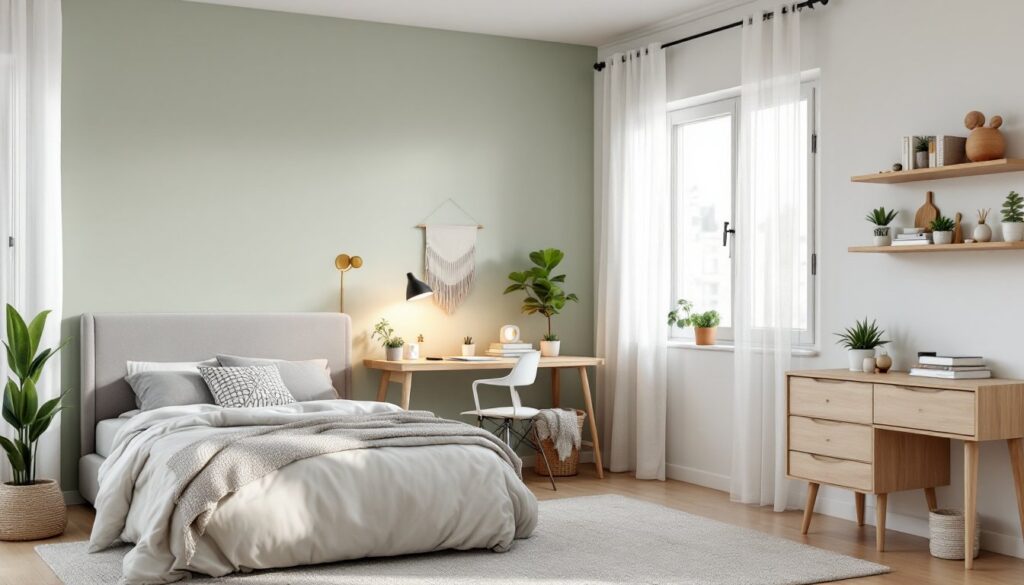
Today’s teens favor styles that feel personal and intentional, not mass-produced. Minimalist rooms with clean lines, neutral walls, and pops of color through bedding or accessories appeal to many. This approach is also budget-friendly: invest in quality neutral furniture, then swap out accent pillows, a new throw blanket, or wall art as her taste shifts.
Scandinavian design, light woods, cozy textiles, and functional storage, resonates with plenty of teens. It’s not trendy fluff: it genuinely works for small spaces and grows up well. Boho-modern mixes eclectic pieces (a vintage mirror, plants, macramé) with streamlined furniture, giving a room personality without chaos.
Industrial or modern farmhouse styles pair well with budget shopping. Reclaimed or distressed wood furniture, exposed shelving, and metal accents create an intentional look without premium pricing. Many mainstream furniture retailers now offer pieces in these aesthetics at entry-level costs.
The key is avoiding overly themed rooms (like all-pink princess setups) that she’ll outgrow in a year. Instead, transforming a bedroom into a cozy sanctuary through timeless pieces and flexible color palettes lets her evolve her style without a full overhaul. Sites like Apartment Therapy and Young House Love offer real examples of how teens and young adults adapt their spaces over time.
Budget-Friendly Furniture Shopping Tips
Furnishing a teen’s room doesn’t require maxing a credit card. The strategy is separating must-haves (bed, dresser, desk, storage) from nice-to-haves (nightstands, decorative shelving, an accent chair).
Start with big-ticket items at mainstream retailers: IKEA, Wayfair, and Target offer solid starter furniture in the $200–$800 range per piece. IKEA’s modular systems, like the PAX wardrobe or KALLAX shelving, adapt as needs change, and IKEA Hackers showcases affordable modifications to customize basic pieces. Don’t skip assembly instructions or wall anchoring: even well-made flat-pack furniture needs proper installation.
Thrift stores and Facebook Marketplace yield gems if you’re patient. A solid wood dresser or bookcase for $50–150 is cheaper than new and often outlasts budget alternatives. Check for stable joints, drawers that slide smoothly, and no deep gouges. Avoid particleboard pieces from thrift stores unless the damage is purely cosmetic, they don’t handle moves or repairs well.
Mix investment pieces with budget picks. Splurge on a quality mattress (she’ll spend 8 hours a night on it) and a durable desk (assignments central for years). Save on decorative nightstands, side tables, or accent pieces that can be replaced as her style evolves.
Wait for sales: Black Friday, back-to-school promotions, and clearance sections at end-of-season offer 20–40% discounts. Sign up for retailer emails to catch flash sales. Buying furniture in off-season (winter for summer style needs, summer for fall/winter pieces) also yields better prices.
Layout and Space Planning for Maximum Comfort
Room layout dramatically affects how functional and comfortable a space feels. Start with the bed placement: position it against a wall (not blocking windows or doors) and leave at least 18 inches of walkway on all sides. This prevents the room from feeling cramped and makes cleaning and moving around safe.
The desk should face a window if possible, or sit perpendicular to one. This provides natural light for assignments and reduces eye strain. If window placement isn’t ideal, ensure a desk lamp with 400–500 lumens overhead. Keep the desk at least an arm’s length away from the bed to create a visual separation between sleep and work zones.
Dressers and tall storage typically go on walls without windows. This maximizes window wall space and keeps the room from feeling blocked. Floating shelves above the desk or on accent walls add storage without eating floor space.
Measure before buying anything. Note the ceiling height (lofts need 5+ feet of clearance below), window placement, closet depth, and door swing. A full-size dresser (roughly 18-20″ deep, 30-40″ wide) might choke a small room, while floating shelves work in tight quarters. Sketch the layout on graph paper or use a free room-planning app to test furniture placement before purchasing.
Leave breathing room. Don’t fill every wall with furniture or shelving. Empty wall space keeps a room from feeling claustrophobic and gives her room for posters, artwork, or future changes. A room with 60–70% of wall space covered in furniture or decor feels balanced: 80%+ feels crowded.
Conclusion
A well-furnished teen girl’s bedroom balances her current needs with room to grow. Invest in quality pieces for the big anchors, bed, mattress, desk, and storage, then layer in style through accessories and flexible layouts. Avoid overly trendy themes and instead choose adaptable designs that she can refresh without major overhauls. Smart shopping, thoughtful planning, and honest conversations about her actual needs will give her a space that supports assignments, hangouts, and rest for years to come.