Table of Contents
ToggleFarmhouse style has become more than a passing trend, it’s a timeless design aesthetic that combines rustic charm with modern comfort. If you’re looking to refresh your living room, farmhouse living room furniture offers warmth, functionality, and an effortless sense of home that few other styles can match. Whether you’re working with a tight budget or planning a full room overhaul, this guide walks you through selecting and styling pieces that create an inviting gathering space. Let’s break down what makes farmhouse design work, which pieces matter most, and how to build a room you’ll actually want to spend time in.
Key Takeaways
- Farmhouse living room furniture prioritizes quality over quantity, featuring rolled-arm sofas, reclaimed wood tables, and neutral upholstery in natural fabrics like linen and canvas.
- Choose a neutral color palette of creams, grays, and warm whites for your main pieces, then layer texture through mixing smooth upholstery with rough-hewn wood and natural fibers.
- Anchor your space with one quality sofa or statement piece, then build a budget-friendly farmhouse living room with second-hand finds from thrift stores and paint or stain refreshes.
- Layer accessories like wooden baskets, throws, pillows, and vintage signage to create depth and personality without visual clutter.
- Select warm-toned lighting fixtures in metal or wood with 2700K bulbs to enhance the cozy, settled atmosphere farmhouse style demands.
- Solid wood showing grain, visible hardware, and finishes with patina are hallmarks of farmhouse design that make spaces feel collected over time rather than freshly purchased.
Defining Farmhouse Style and Key Characteristics
Farmhouse style draws inspiration from rural homes and country living, stripping away the ornate and embracing the honest. It celebrates imperfection, function first, and materials that age gracefully. Think whitewashed wood, distressed finishes, natural fibers, and pieces with visible hardware rather than hidden joints.
The hallmark of farmhouse design is its blend of old and new. You’ll see modern upholstery on frames that echo vintage barn architecture, sleek lines next to chunky wood beams, and curated simplicity that doesn’t feel sterile. It’s about choosing quality over quantity, each piece should earn its place.
Color palettes stick to neutrals: creams, grays, warm whites, and soft blacks as anchors. Accents often come from natural wood tones, wrought iron, and subdued greens or blues. Unlike maximalist styles, farmhouse thrives on breathing room. The goal is to walk into a living room that feels settled and lived-in, not showroom-perfect.
Essential Furniture Pieces for a Farmhouse Living Room
Sofas and Seating Options
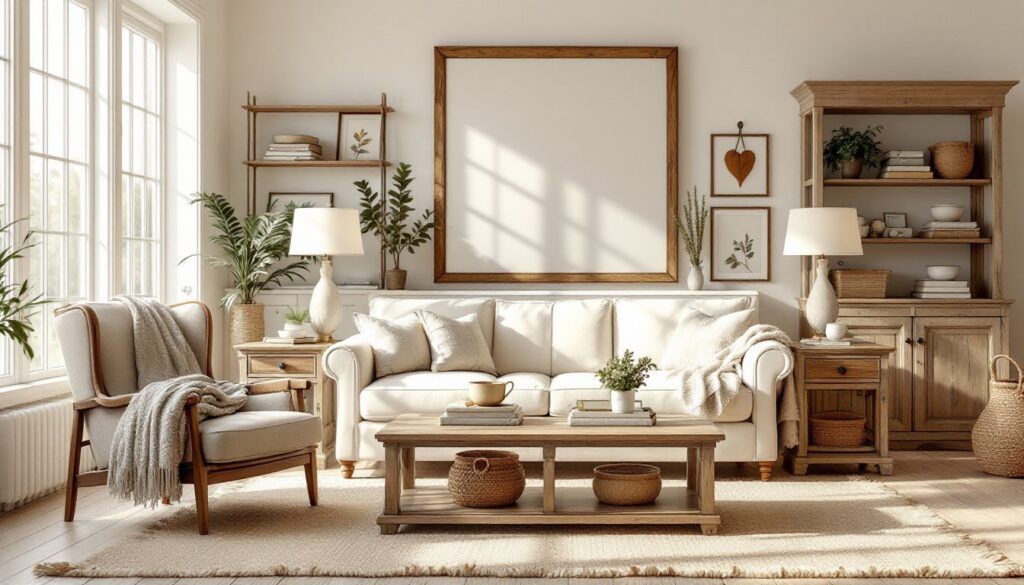
Your sofa anchors the entire room, so choose wisely. Farmhouse sofas typically feature rolled arms, deep seats, and clean-lined frames, think less tuxedo-sleek, more comfortable hug. Upholstery materials matter: slipcovers in canvas, linen, or cotton are ideal because they’re washable and wear beautifully. A cream or beige sofa is the safe bet: it pairs with nearly any accent color and feels inherently calming.
Size matters too. A generous three-seater or sectional signals that this is a real living space, not a formal display. Pair your sofa with accent chairs, a farm-style wingback or a simple wooden frame chair upholstered in natural fabric works perfectly. If you’re on a budget, home goods furniture retailers often stock solid basic seating that you can refresh with throw pillows and blankets.
Coffee Tables and Accent Furniture
Your coffee table is an opportunity to showcase natural materials. Reclaimed wood coffee tables, concrete tops on wooden bases, or simple turned-leg designs all fit the farmhouse narrative. Avoid glass unless paired with a sturdy wood frame: it reads too contemporary for this style.
Accent tables matter more than you’d think. A side table next to a chair, a console behind the sofa, or a small shelving unit for books and baskets adds function without clutter. Look for pieces with visible joinery (mortise-and-tenon joints, not dowels), chunky legs, and finishes that show patina rather than hide it. If you’re building rather than buying, Ana White offers free plans for classic farmhouse pieces that even beginner woodworkers can tackle with basic tools.
Choosing Colors, Textures, and Materials
Color in farmhouse spaces works best when it stays muted. Your main sofa and seating set the tone, stick with whites, creams, soft grays, or warm taupes as your base. Then build accents around natural materials: raw wood, wrought iron, linen, wool, and leather.
Texture is where farmhouse really shines. Mix smooth upholstery with rough-hewn wood, soft throws with crisp linen, and shiny brass hardware with matte finishes. A leather ottoman next to a linen sofa, woven baskets on a wood shelf, and a chunky knit throw draped over an armchair all create visual interest without busy patterns.
Materials should feel touchable and honest. Solid wood (not veneer) shows grain and color variation, embrace it. Upholstery fabrics like linen, canvas, and cotton develop a worn-in look that’s actually desirable in farmhouse design. Avoid plastics, high-gloss finishes, and anything that screams “new.” The goal is a space that looks like it’s been collected over time, not purchased in a single weekend.
Budget-Friendly Tips for Building Your Farmhouse Living Room
Building a farmhouse living room doesn’t require a hefty paycheck. Start with one quality anchor piece, a good sofa, and build everything else around it. You can find solid basics at big-box stores: the key is choosing neutral upholstery you won’t tire of.
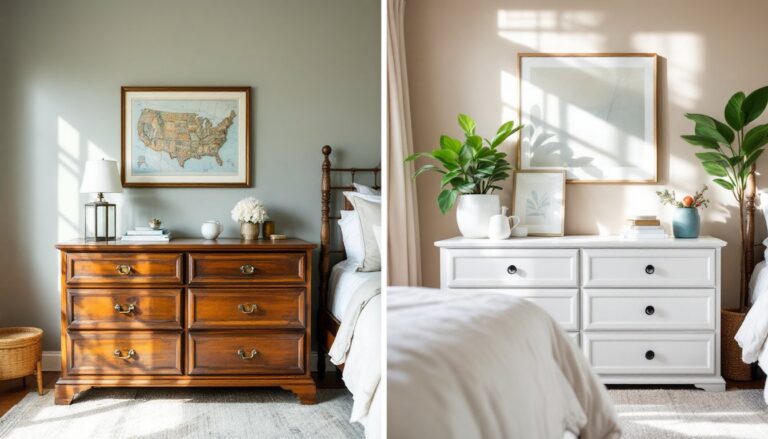
Second-hand is your friend in farmhouse design. Thrift stores, estate sales, and Facebook Marketplace often have wooden dressers, side tables, and accent chairs that fit perfectly. Even damaged pieces can be refinished with sandpaper and stain (test in an inconspicuous spot first). A simple paint refresh on wooden frames, white, soft gray, or natural wood stain, transforms dated furniture into farmhouse gold.
Don’t overlook budget retailers: home furniture stores like Target, Wayfair, and Overstock stock affordable farmhouse basics. Pair budget pieces with one or two splurges, maybe a really nice sofa or a vintage-looking wooden table, and fill gaps with DIY painted dressers or refinished finds. Focus your budget on pieces you use daily: splurge on a comfortable sofa, scrimp on decorative side tables.
Styling and Accessorizing Your Space
Once your core furniture is in place, layering accessories creates depth and personality. Throws, pillows, and area rugs in natural fibers, jute, wool, linen, cotton, add warmth without color overload. Stick to a palette of three to four neutral tones plus one optional accent color (soft sage, muted blue, or warm terracotta work well).
Wooden baskets for blanket storage, ironware for visual weight, and framed botanical prints or vintage signage on the walls tie the look together. Open shelving with stacked books, small potted plants, and a few decorative objects feels curated without clutter. A large mirror with a wood or metal frame expands the space visually while reflecting light.
Lighting is functional and stylish: choose metal or wood fixtures rather than chrome, and use warm-toned bulbs (2700K color temperature) to create the cozy atmosphere farmhouse demands. Layer lighting with table lamps, a floor lamp, and ceiling fixtures so you can adjust brightness throughout the day. The Handyman’s Daughter has solid tutorials if you’re installing new fixtures yourself, just remember to turn off power at the breaker, and call a licensed electrician if you’re unsure about any wiring.