Table of Contents
ToggleWhen you’re outfitting a bedroom, the foundation starts with solid furniture that balances durability, style, and function. Bernhardt bedroom furniture has earned a solid reputation among homeowners for delivering exactly that combination, quality construction that doesn’t shortcut on design. Whether you’re replacing a worn-out bed frame, updating nightstands, or redesigning an entire suite, understanding what Bernhardt offers helps you make informed choices that’ll serve your space for years. This guide walks through what sets their pieces apart, popular collections available today, and practical tips for selecting and maintaining furniture that fits both your aesthetic and your budget.
Key Takeaways
- Bernhardt bedroom furniture stands out for its solid hardwood construction, mortise-and-tenon joinery, and multi-coat finishing process that resists scratches and fading better than budget alternatives.
- Contemporary collections feature clean lines and tapered legs, while traditional Bernhardt options offer crown molding and rich finishes—both designed with thoughtful proportions and hardware that function seamlessly in real-world bedrooms.
- Start with an anchor piece like a quality bed frame and layer in nightstands and dressers over time rather than buying an entire suite at once, allowing you to spread costs and refine your design vision.
- Measure your space carefully—including doorways and wall dimensions—to ensure Bernhardt pieces fit properly and function well with traffic flow and daily use.
- Maintain Bernhardt furniture with weekly dusting, occasional furniture oil on wood surfaces, UV-blocking window treatments, and regular upholstery care to keep pieces looking pristine for years.
What Makes Bernhardt Bedroom Furniture Stand Out
Bernhardt doesn’t cut corners on construction, and that’s the core reason their pieces hold value and durability over time. Their bedroom furniture typically features solid hardwood frames, often kiln-dried to prevent warping, paired with mortise-and-tenon joinery on drawers and load-bearing connections. This isn’t veneered particle board: you’re looking at cabinetry-grade construction.
Their finishing process matters too. Bernhardt applies multiple coats of stain and lacquer, sanding between each coat for a smooth, professional result. This approach takes longer than single-coat finishing but yields a surface that resists scratches, dust settling, and color fading better than budget alternatives.
Design coherence across their collections is another strength. Rather than mixing unrelated pieces, Bernhardt develops bedroom suites where proportions, hardware, and styling details align across the bed, dressers, nightstands, and chest pieces. This consistency means you can confidently add pieces over time without aesthetic jarring.
They also size their pieces thoughtfully. Nightstands sit at heights that actually match standard bed frames (not too short or tall), drawers slide smoothly with quality slides (not cheap ball-bearing units that jam), and table surfaces are thick enough to support lamps and personal items without flex or wobble. These practical details separate furniture that functions well from furniture that looks good but frustrates you daily.
Popular Bernhardt Bedroom Collections for Modern Homes
Contemporary and Mid-Century Styles
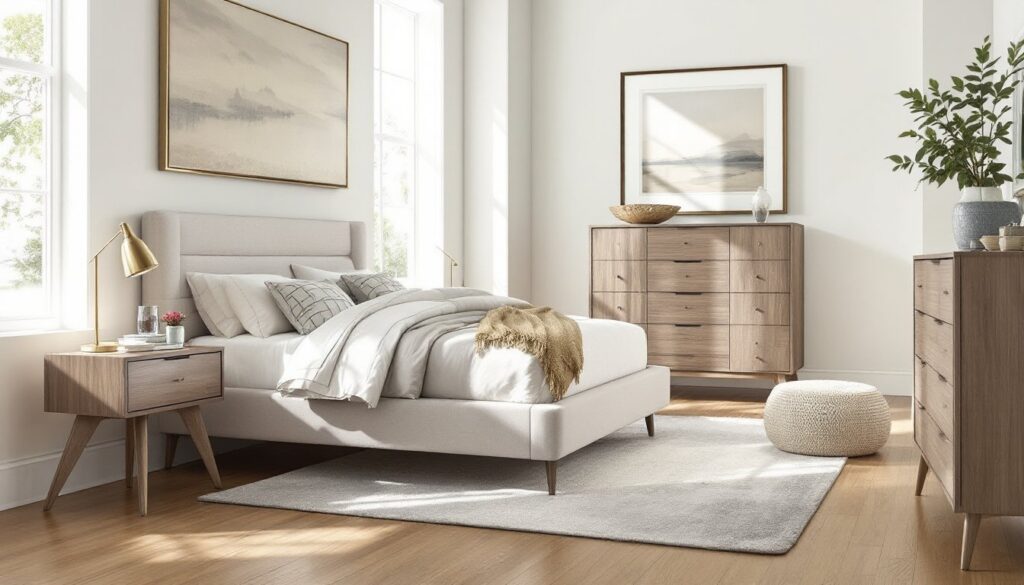
Bernhardt’s contemporary and mid-century collections lean into clean lines, tapered legs, and minimalist hardware. The Arista collection, for instance, features an upholstered platform bed with subtle channel stitching, paired with nightstands that sit on thin, angled legs, a look that works equally well in urban lofts and suburban master bedrooms. Many of these collections rely on natural wood tones (walnut, ash, or oak) with matte finishes rather than high-gloss, which appeals to homeowners seeking understated sophistication.
Another contemporary favorite includes pieces with integrated storage, dressers with graduated drawer depths, beds with built-in footboard shelving, and nightstands with open cubbies alongside closed compartments. This approach maximizes function in master suites where space may be tight. Wood choices in these collections often feature whitewash or grey-wash finishes, which feel modern without requiring constant dust-cloth attention like pure white lacquer does.
Classic and Traditional Options
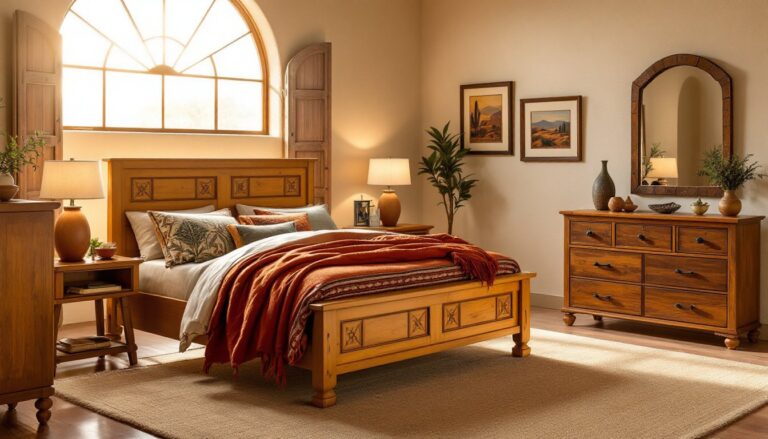
For those preferring traditional aesthetics, Bernhardt offers collections with crown molding, ogee edge details, and more substantial turned legs. Their solid wood upholstered beds in this category often feature nail-head trim, rolled headboard arms, and heavier proportions overall. Finish options include rich cherry, mahogany, and dark walnut, woods that develop character and patina as they age.
Traditional dressers and chests in their lineup typically feature more drawer detail work: graduated drawer fronts, shadowbox panel effects, and hardware that mimics period-correct brass or bronze hardware. These pieces work beautifully in homes with existing millwork, crown molding, and classic architectural details. They also hold visual weight better in larger master suites where minimalist furniture might feel undersized.
How to Choose the Right Bernhardt Pieces for Your Space
Start with your room’s actual dimensions and existing architectural features. Measure the wall where your bed will sit, this determines maximum bed size. A queen frame in a small guest bedroom works: in a spacious master, it might look undersized. Measure doorways too: some pieces (especially dressers and platform beds) are deeper than they appear online, and you need to confirm delivery logistics before purchase.
Consider your existing wood tones and finishes. If your bedroom has hardwood floors in honey oak, mixing Bernhardt walnut furniture with whitewashed accents creates intentional contrast. If you want cohesion, matching wood tones across bed, nightstands, and a dresser simplifies the visual story. Finish consistency matters, matte lacquer with matte metal hardware, or polished lacquer with polished brass, feels deliberate: random mixing feels accidental.
Think about traffic flow and functionality. Nightstands should sit within arm’s reach of your bed for lamps and water glasses: overly tall or small nightstands create inconvenience. Dressers benefit from space in front for pulling drawers open fully. Benches and additional seating at the foot of the bed should not block walkways. These practical details separate showroom appeal from real-world usability.
Gather design references. Designer beds featured in ELLE Decor including Bernhardt options help you visualize styling, fabric pairings, and bedroom layouts that showcase the pieces well. Seeing these pieces in context beats looking at isolated product shots.
Budget-Friendly Tips for Incorporating Bernhardt Into Your Bedroom Design
You don’t need to purchase an entire Bernhardt bedroom suite at once. Start with the anchor piece, typically a quality bed frame, and layer in nightstands, a dresser, and accent pieces over time. This phased approach spreads cost and lets you adjust your plan as your design vision clarifies.
Watch for seasonal sales, particularly after major holidays. Furniture retailers often discount previous-season inventory in January, July, and September to make room for new arrivals. Sign up for email notifications from furniture retailers carrying Bernhardt: they’ll alert you to sales before the general public.
Consider mixing Bernhardt with non-Bernhardt pieces strategically. A quality Bernhardt bed and nightstands anchor the room, while a more affordable dresser from another maker, paired with good styling, doesn’t compromise the suite’s overall impression. Nightstands in particular carry high visual weight in a bedroom, so investing in Bernhardt there impacts perception significantly.
Look into custom upholstery options. Many Bernhardt upholstered beds and headboards let you choose fabric from a broad palette, performance fabrics that resist staining, natural linens, velvet, and leather all work. Selecting durable, mid-tone upholstery reduces future replacement costs compared to light fabrics that show every dust particle. Resources like Homedit showcase bedroom designs that balance quality anchor pieces with thoughtful styling and accessory choices, helping you stretch your budget further.
Caring for and Maintaining Bernhardt Furniture
Bernhardt furniture benefits from straightforward maintenance that prevents early wear. Dust weekly with a soft, lint-free cloth: dust accumulation harbors moisture and dulls finishes over time. Avoid spray polishes, which build up and obscure wood grain. Instead, use a dedicated furniture oil or cream every few months on unupholstered surfaces, applied sparingly and buffed with a clean cloth.
Protect surfaces from direct sunlight, which fades finishes and wood tones inconsistently. Close curtains during peak daylight or use UV-blocking window treatments. This investment pays dividends especially for darker finishes, which show fading more noticeably than lighter woods.
For upholstered pieces, vacuum regularly with an upholstery attachment to remove dust before it settles into fabric. Blot spills immediately with a damp cloth: don’t rub, which drives spill deeper into fibers. If pieces are fabric upholstered, consider professional cleaning every 3–5 years depending on use. Leather upholstery requires annual conditioning with appropriate leather cream to prevent cracking.
Check drawer slides and hinges annually. Bernhardt hardware is typically smooth-operating, but a light silicone spray on slides keeps them gliding effortlessly. Tighten any loose knobs or hardware with appropriate screwdrivers: this prevents damage to mounting points. Modern bedroom furniture from Bernhardt typically doesn’t require professional refinishing if maintained, which is a significant advantage over decades-old pieces. Modern design inspiration on Design Milk includes care and maintenance discussions for quality furniture investments worth protecting.